Vintage Kustom Amp Serial Numbers
Probably best known for their unique tuck-and-roll amp covering that was offered in a variety of sparkly colors, Kustom was one of the first amp manufacturers to find success with solid-state technology in the 1960s. Hey Zach, I have one of these really cool Kustom amps (at least I think they’re cool), and I’ve always been curious about what the “100” on the front and “7” on the back indicate. It seems that no two Kustom amps are the same. Ev nova free license code.
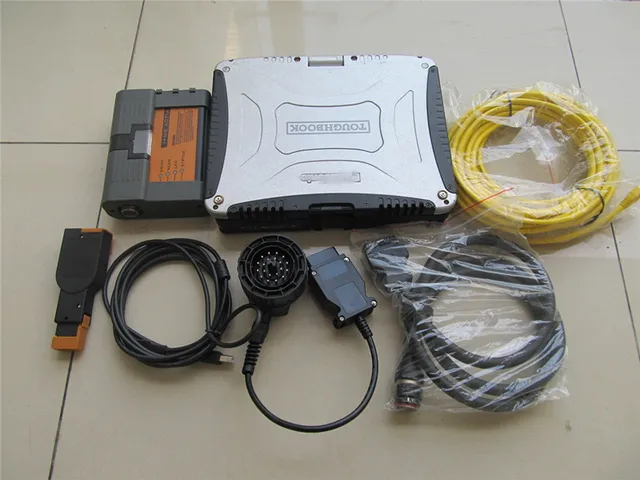 • Supports almost all ISN reading of DME/DDE in E series up to latest produced models. • Full support to read and write ISN to all CAS versions (1,2,3 and 3+) including latest updates. DME MSD85 ISN by Autohex II BMW Scan Tool Autohex BMW Diagnostic Tool is considered as the most powerful tool for managing ISN ( Individual Serial Number) in CAS, DME and EGS.
Home » Kustom K 100. If you ever have a chance to see a vintage Kustom catalog. Model numbers are normally found on the serial-number plate located on the. Shop from the world's largest selection and best deals for Kustom Vintage Guitar Amplifiers. Shop with confidence on eBay! Kustom Amps & Guitars (Guitarsite): I picked up one of these at a pawn shop - it was not working, and I fixed it. K-250-1 model, serial number#86144, Two channels,both work clear and strong Four.
Why is this and what are these worth today? Thanks, Bill in Jacksonville, FL. Hey Bill, Don’t let anyone tell you otherwise— Kustom amps are way cool.
Many players think these amps sound great, and bands such as Jefferson Airplane and Creedence Clearwater Revival used them heavily in the 1970s. Kustom amps are important because the company really pushed the envelope with unique cosmetics and offered virtually endless options. But more importantly, Kustom, along with Acoustic and Standel, were the first manufacturers to successfully build and market solid-state amps when the technology was new in the 1960s. Bob Ross founded Kustom in Chanute, Kansas, in 1965.
His amps immediately stood out because of their “tuck-and-roll” covering made from a material called Naugahyde, a vinyl-coated fabric that feels like squishy plastic. And Kustom offered this unusual covering with the option of seven sparkly colors: black, blue, cascade (blue/green), charcoal, gold, silver, and red. Domus 3d keygen crack.
If you ever have a chance to see a vintage Kustom catalog, you’ll instantly realize why every Kustom amp appears to be different— the company offered nearly every possible configuration you could think of. Endless options are great, but trying to differentiate and identify Kustom amps can be extremely frustrating because three different sets of identification numbers were used: series numbers, model numbers, and catalog numbers.

Series numbers are usually found on the front of the amp—under or behind the Kustom logo—and consist of values like 25, 50, 100, 200, and higher. Generally speaking, these numbers indicate the amount of power multiplied by two. For example, a 200 series amp means 100 watts of power. Model numbers are normally found on the serial-number plate located on the back of the amp, and they range from 1 to 8. The model number indicates the chassis used—with a higher number denoting more features—and repairmen relied on these numbers to know what chassis they were working on. Lastly, the catalog numbers were used in price lists and catalogs so a customer could order the exact amp he or she wanted. These catalog numbers typically followed a number/letter format of X-XXL-X.
The first number indicated the number of speakers [usually 1-4], the next two numbers indicated the size of the speakers [10, 12, 15, etc.], while the lone letter represented the brand of speaker [A for Altec Lansing, C for CTS, J for Jensen, and L for JBL]. Finally, the last number in the sequence indicated the aforementioned model number. Still with me? So, the “100” on the front of your Kustom tells us it’s a 100 series amp and has an approximate output of 50 watts. The “7” on the back means it has a model 7 chassis, which includes reverb, vibrato, and tremolo (the controls on the front also confirm this).
Comments are closed.